
Complete Guide to EV Charger Installation: Home to Commercial
With electric vehicles going mainstream, EV charger installation is no longer a simple “plug and play” task. Whether you are a homeowner, property manager, or business owner, proper installation directly impacts charging speed, equipment lifespan, and safety. This guide covers everything you need to know — from residential AC boxes to commercial DC fast stations.
Home AC Charger Installation
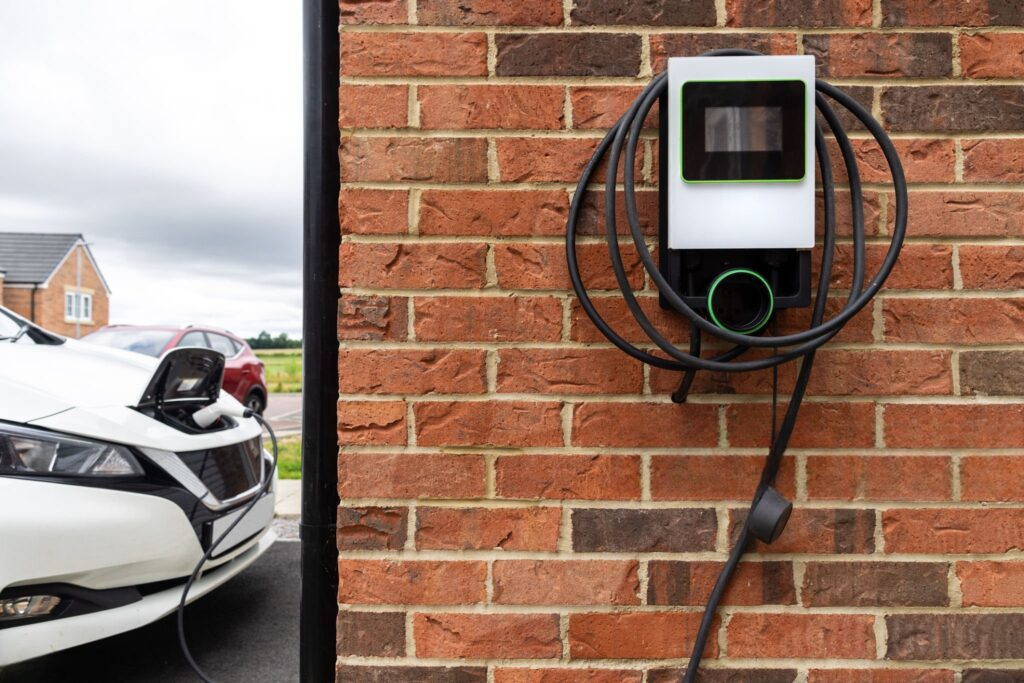
For most homes, an AC EV Box (7kW, 11kW, or 22kW) is the ideal choice
Electrical Capacity Check
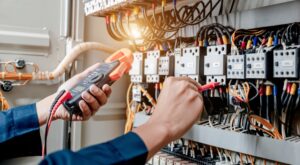
Always hire a licensed electrician to inspect your meter, panel, and wire gauge.
7kW (single-phase 32A) works for typical homes.
11kW or 22kW requires three-phase power.
If capacity is low, apply for a utility upgrade.
Mounting Location
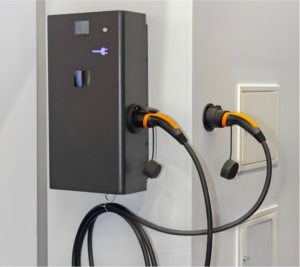
Wall-mounted – on garage or exterior walls, space saving.
Pedestal-mounted – for open lots without walls, needs a concrete base.
Keep the distance to your vehicle’s charge port under 1.5 meters to avoid long cables.
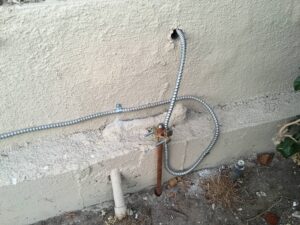
Electrical Protection & Grounding
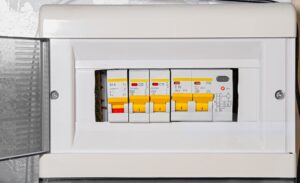
Use a Type A or Type B RCD to prevent shock and fire.
Add surge protection and over/under voltage protection.
Ensure grounding resistance ≤4Ω; add grounding rods if needed.
Smart Features (Recommended)
APP remote control, scheduled charging, history logs, and integration with solar PV or home battery storage.
Portable EV Charger – Usage & Safety Tips
A portable EV charger is convenient but requires caution.
Socket & Extension Rules
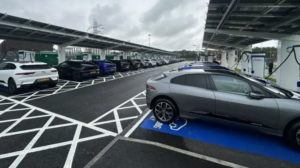
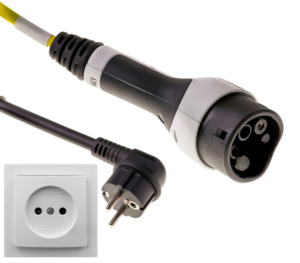
Always use a 10A or 16A grounded socket (three holes). Avoid old, loose, or burnt sockets.
Never use ordinary extension cords – they cause voltage drop and overheating. If unavoidable, use a 2.5mm² copper extension cord fully uncoiled.

Temperature & Water Protection
Avoid direct sunlight, high heat, or charging in rain/snow without shelter. Even with an IP66 rating, keep the plug dry.
Adjustable Current
Quality portable chargers let you select 8A / 10A / 13A / 16A to match different wiring conditions.
Commercial DC Fast Charger Station Installation
DC EV charger stations (30kW – 240kW+) are high-power installations for public sites, highway rest areas, and logistics hubs.
Site Selection & Utility Application
Choose locations near major roads or highway exits, close to 10kV or 0.4kV utility points.
Submit a high-voltage connection application (required above 30kW).
You may need a new pad-mounted transformer (630kVA – 1250kVA). Discuss load margin and time-of-use tariffs with the utility early.
Equipment & Layout
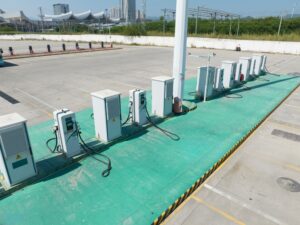
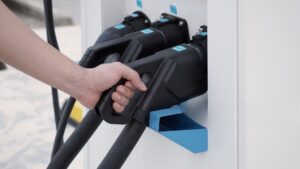
Dual-gun standalone charger: serves two vehicles with dynamic power sharing.
Modular power stack: central unit with separate dispensers, easy to expand.Support multiple standards: CCS1, CCS2, CHAdeMO, GB/T.
Backend Management (OCPP)
Commercial stations require an OCPP-compliant charging management platform for:
User authentication (RFID, APP, QR code)
Dynamic pricing and billing
Remote monitoring and fault alerts
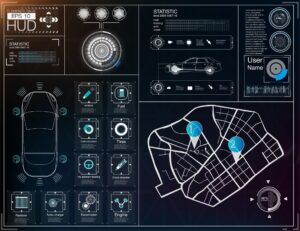
Load balancing and optional V2G scheduling
Construction & Approval
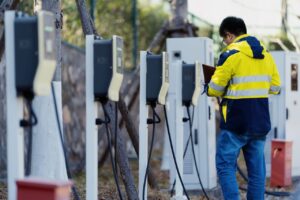
Installation must be done by a licensed electrical contractor, followed by final inspection from the utility and fire department (where required).
Future Trends in EV Charging
V2G (Vehicle-to-Grid) – EVs discharge back to the grid during peak pricing. Requires bi-directional chargers (currently in pilot).
Dynamic Load Balancing – multiple chargers share total power in real time, preventing overload.
Ultra-Fast Charging (350kW+) – liquid-cooled cables deliver 200 km of range in 5 minutes. Often paired with battery buffers.
Plug-&-Charge & Charging Robots – automatic authentication without RFID or app; robots connect the gun automatically.
Conclusion
Whether you need a single home AC charger or a commercial DC fast charger station, remember the three golden rules: safety, compliance, and future-readiness. As a professional EV charger manufacturer, we provide:
Full product line: AC EV Box, Portable EV Charger, DC EV Charger Station
Customized solution design based on your electrical capacity and operational needs
Remote technical support: OCPP integration, fault diagnosis, OTA updates
Contact us today for a free initial installation consultation and product quote.