
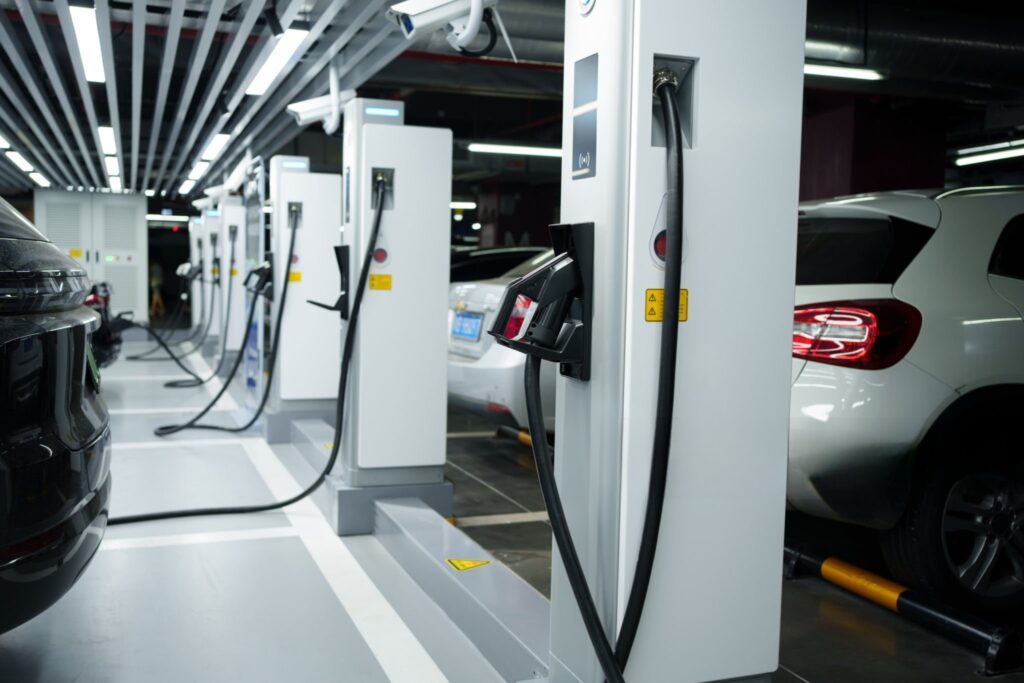
Smart Shared EV Charging for Apartments & Condos—— Load Balancing + Auto Billing to Solve Capacity & Cost Sharing Issues
As an EV charger manufacturer, we see a growing challenge: residents in apartments and condos want to charge their electric cars, but most buildings lack the electrical capacity for dedicated chargers at every parking spot. And even when chargers are installed, splitting electricity costs fairly among residents often leads to disputes.
For multi-unit dwellings (MUDs), a smart shared EV charging solution solves both problems. This article explains how dynamic load balancing (DLB) works, how auto billing creates transparency, and which products work best for residential communities.
Charging Pain Points in Multi-Unit Dwellings
In a single-family home, adding an EV charger is straightforward. But in an apartment or condominium, common obstacles include:
Limited capacity: The building’s transformer has a fixed rating. Dozens of 7kW chargers running simultaneously would trip breakers or overheat the transformer.
High upgrade cost: Replacing a transformer and rewiring distribution panels can cost tens of thousands of dollars. Homeowners’ associations (HOAs) and residents rarely agree on such expenses.
Cost-sharing disputes: Who pays for electricity? Who pays for maintenance? Without a fair system, conflicts are inevitable.

Smart shared charging is designed to address all three issues.
Dynamic Load Balancing: Safe Charging Without a Capacity Upgrade
Dynamic load balancing (DLB) is an intelligent power distribution technology. It continuously monitors the building’s total electrical load and automatically adjusts each charger’s output power so the total never exceeds the transformer’s or main breaker’s rating.
How it works (simple terms)
A power sensor or load controller is installed at the main distribution panel.
It reads real-time power draw from lights, A/C, elevators, etc.
When an EV is plugged in, the system allocates available spare capacity.
If total load increases (e.g., many A/Cs turn on at night), charger power is reduced. When load drops, power is increased again.
Charging never stops – only the speed adjusts. Drivers barely notice.
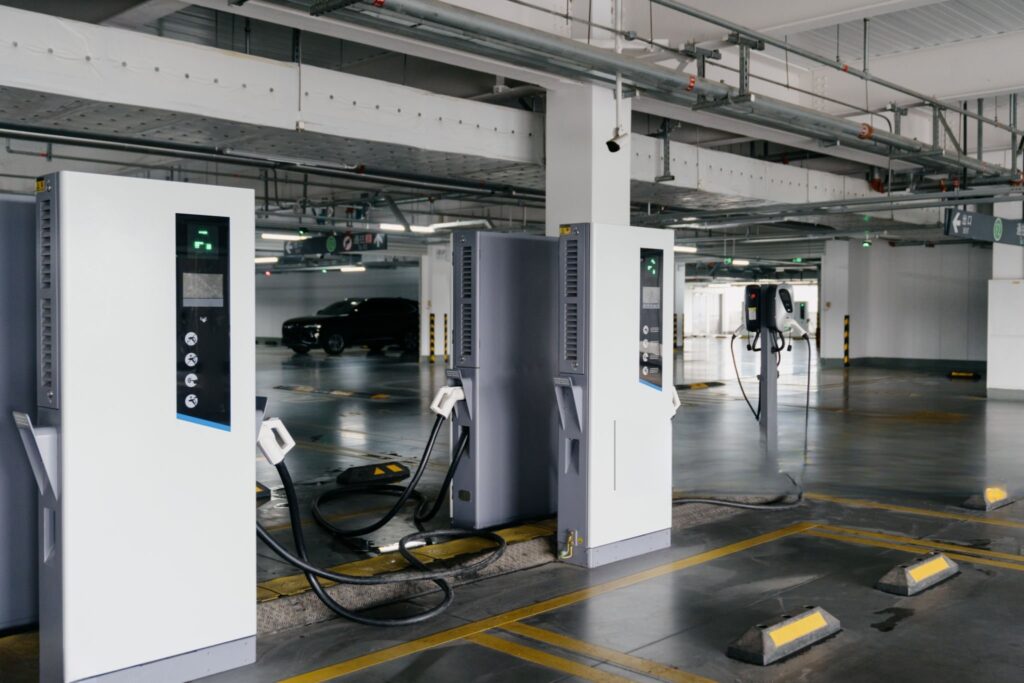
Real value of DLB
No expensive grid upgrade – use existing spare capacity for dozens of EVs.
Safe and reliable – no overload trips, protected wiring and transformers.
Scalable – as more residents buy EVs, simply add more charge points and fine-tune load sharing.
If spare capacity is extremely low (<10kW), a small upgrade may still be needed – but costs can be 80% lower than a full upgrade.
Billing & Access Control: Fair, Transparent, and HOA-Friendly
The other half of a smart shared solution is a cloud-based Charge Point Management System (CMS). It answers: who charges, who pays, and how much.
Recommended features
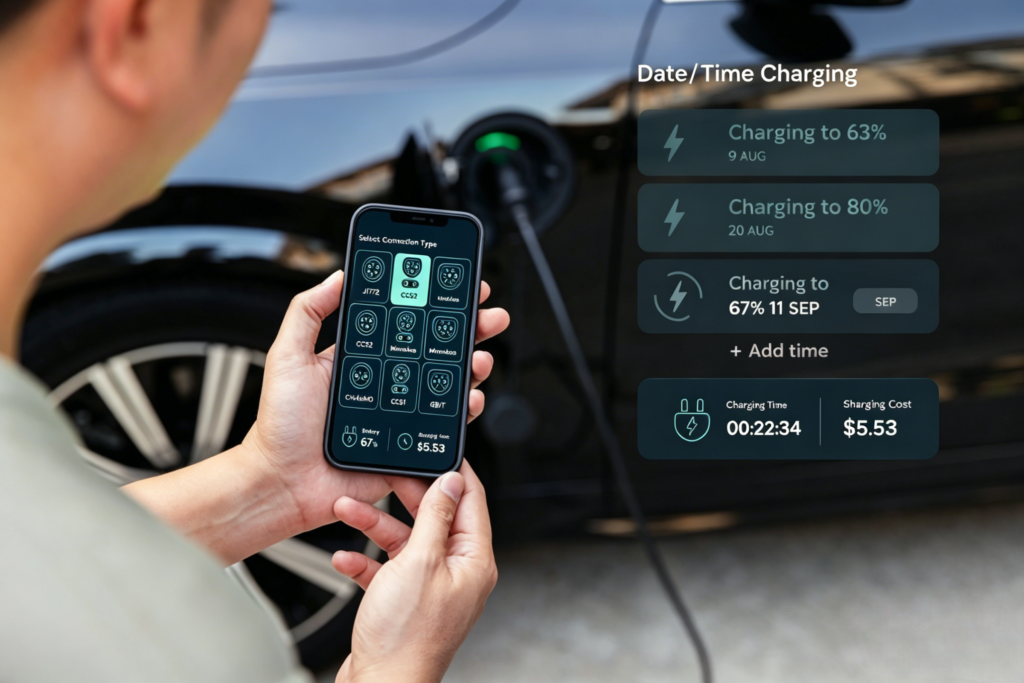
User authentication: RFID cards, mobile app QR codes, or mini-programs. Each account belongs to one resident or tenant.
Real-time metering: Each charging gun independently records kWh consumed with >1% accuracy.
Flexible billing rules: Pay per kWh, pay per hour (for visitors), or time-of-use rates (cheaper at night).
Auto-invoicing & reports: Monthly statements generated automatically. Residents pay online. HOAs can export reports for auditing.
Remote management: HOAs can start/stop chargers, view live currents, set tariffs, and receive fault alerts.
Why residents and HOAs love it
Residents pay only for what they use – transparent history.
HOAs never advance electricity costs – system auto-reconciles. Equipment investment can be recovered via service fees.
No more arguments about unfair charging costs.
Recommended Product Mix: AC Smart Sharing Cabinet + (Optional) Low-Power DC Fast Charger
Based on community size and usage intensity, we offer two configurations
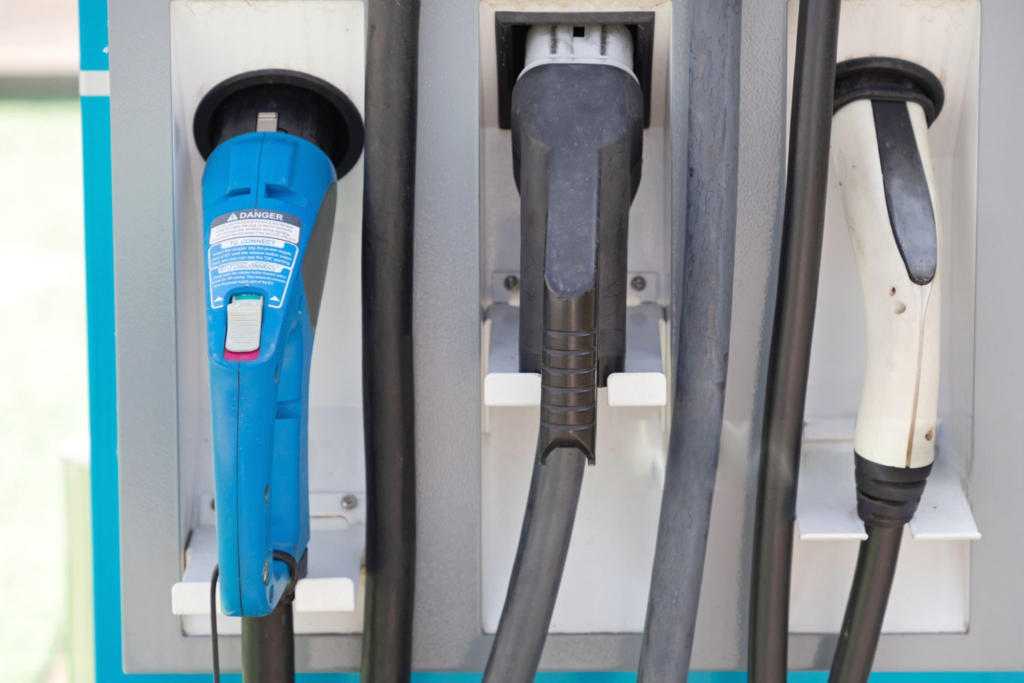
Option A: AC-only shared charging (lowest cost, ideal for most residential buildings)
AC smart sharing cabinet with 6 x 7kW AC guns (expandable to 12).
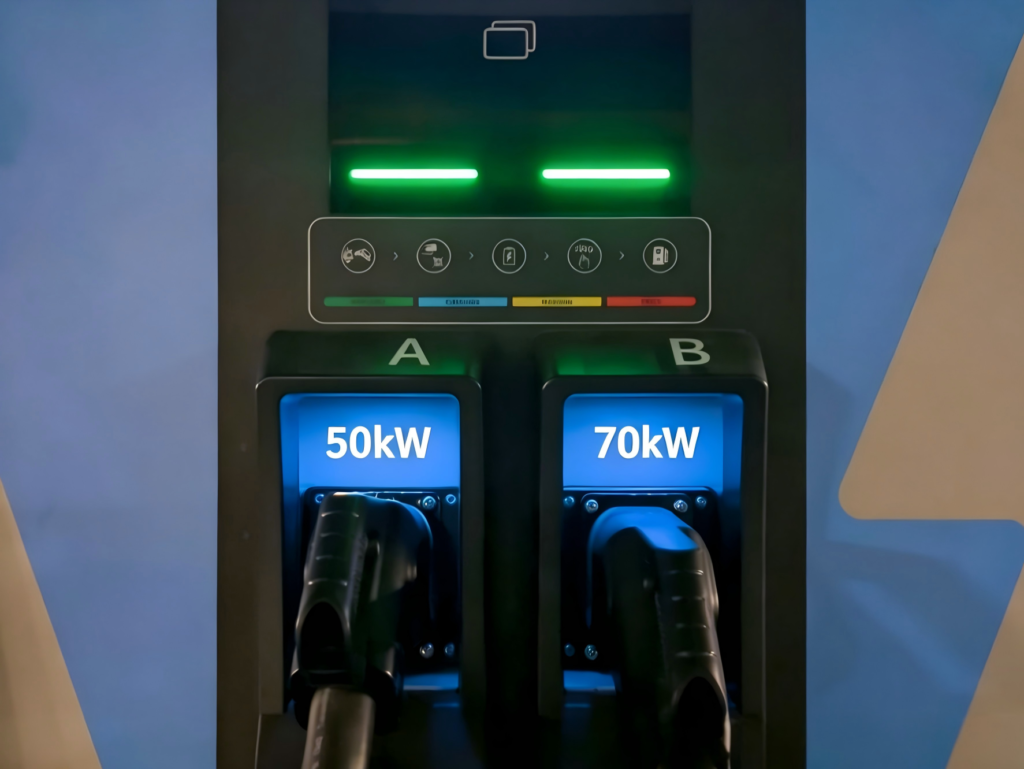
Built-in DLB controller – e.g., 20kW total input, 6 guns share 3–7kW each.
Best for overnight charging (6–8 hours).
Option B: AC cabinet + one DC fast charger (for communities with visitors or ride-share drivers)
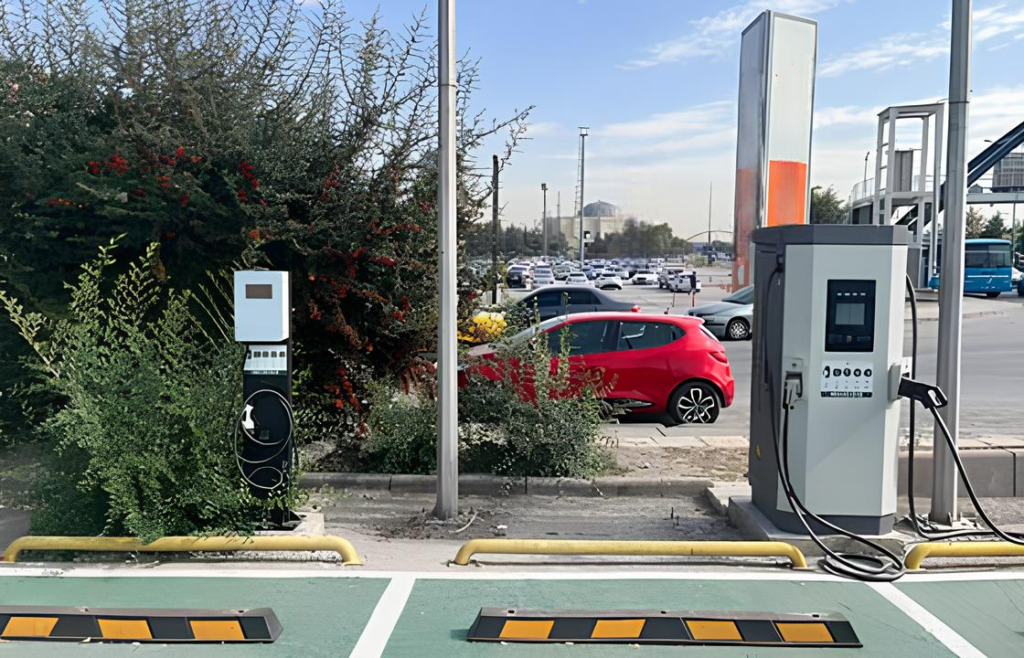
Add a 30kW or 60kW DC fast charger next to the AC cabinet.
Use cases: visitor top-ups, resident emergency fast charge (80% in 30 minutes).
Our product advantages
Full OCPP 1.6J support: compatible with Monta, ChargePoint, ev.energy, etc.
CE, FCC & UL certified: meets EU and North American safety standards.
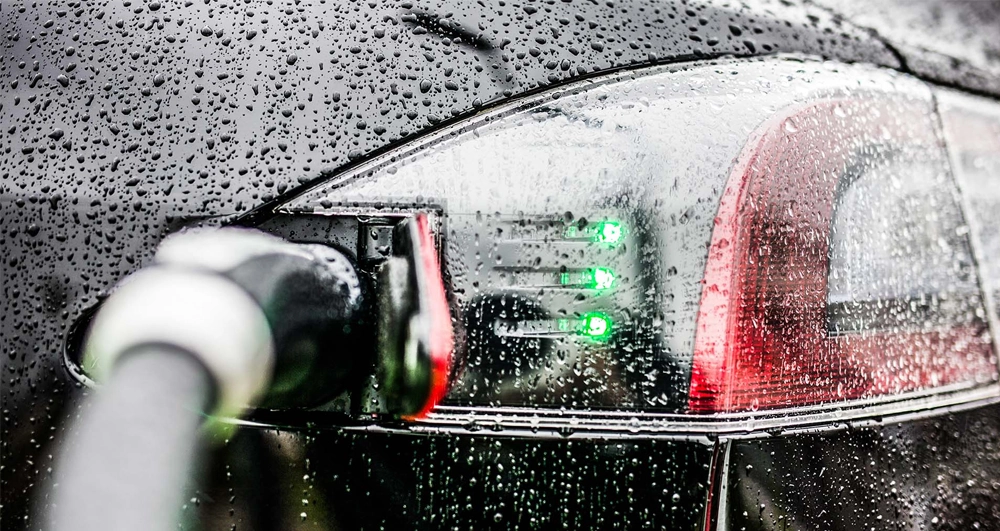
IP54 or higher: outdoor-rated, rain and dust resistant.
4G or Ethernet communication: no extra data cables needed.
Installation & Three-Party Coordination
For a successful residential project, coordinate closely with the HOA/property management, the utility company, and the installer.
Key steps:
Electrical site survey: Hire a licensed electrician to measure existing transformer capacity and peak loads.
Coordinate with the utility: If spare capacity is low, apply for a “light upgrade”. Some regions offer subsidies for residential charging infrastructure.
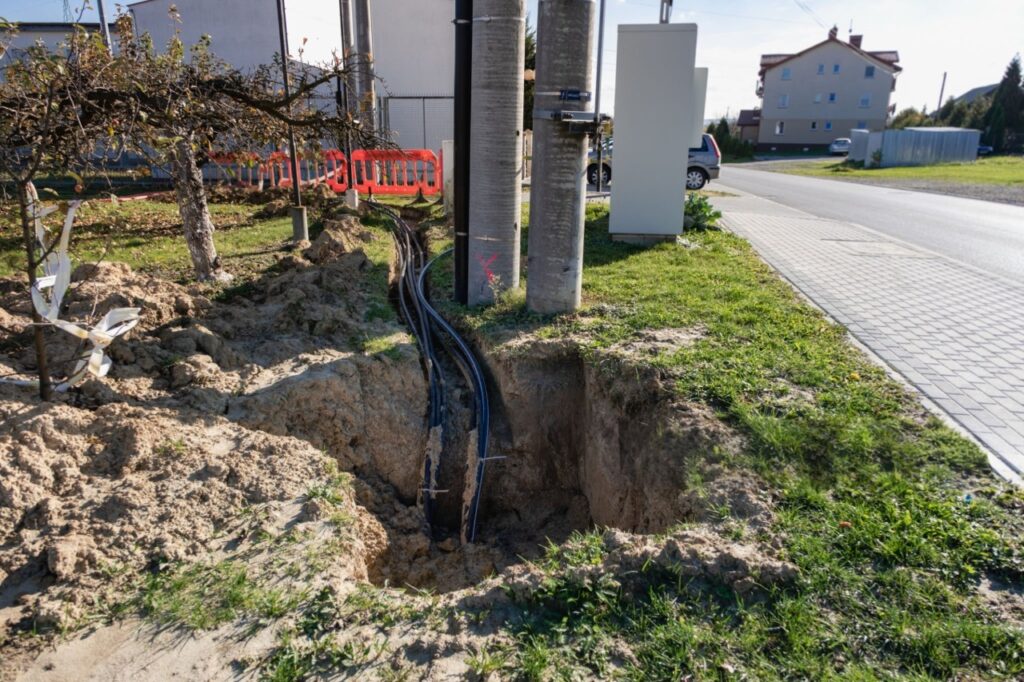
Cable conduit planning: For new builds, pre-lay PVC conduits. For retrofits, use existing telecom conduits or outdoor trays.
Charging area layout: Prefer concentrated fixed parking spots. Wall-mount cabinets where possible.
Fire safety: Each gun needs independent RCD protection. For DC chargers, keep a dry powder extinguisher nearby. Follow local codes (NEC 625, IEC 61851).
Conclusion
Designing smart shared EV charging for apartments and condos no longer requires expensive grid upgrades. With dynamic load balancing, you can safely serve dozens of EVs using existing capacity. With auto billing, HOAs and residents share costs fairly and transparently.
Our AC smart sharing cabinets and OCPP-enabled management platform have been successfully deployed across Europe, North America, and Southeast Asia. Whether you are building a new development or retrofitting an existing condominium, we provide turnkey design services and remote commissioning support.

Contact us today for a free assessment of your community’s charging needs and real-world case studies with cost and revenue data.