
Home vs. Commercial vs. Portable: How to Choose the Right EV Charger?
As electric vehicles go mainstream, charging is no longer just “finding a socket.” With different types of EV chargers on the market, many owners and businesses ask: Should I choose an AC charger, a DC fast charger, or a portable one?
This guide compares AC EV Box, Portable EV Charger, and DC EV Charger Station — and helps you pick the best option for your situation.
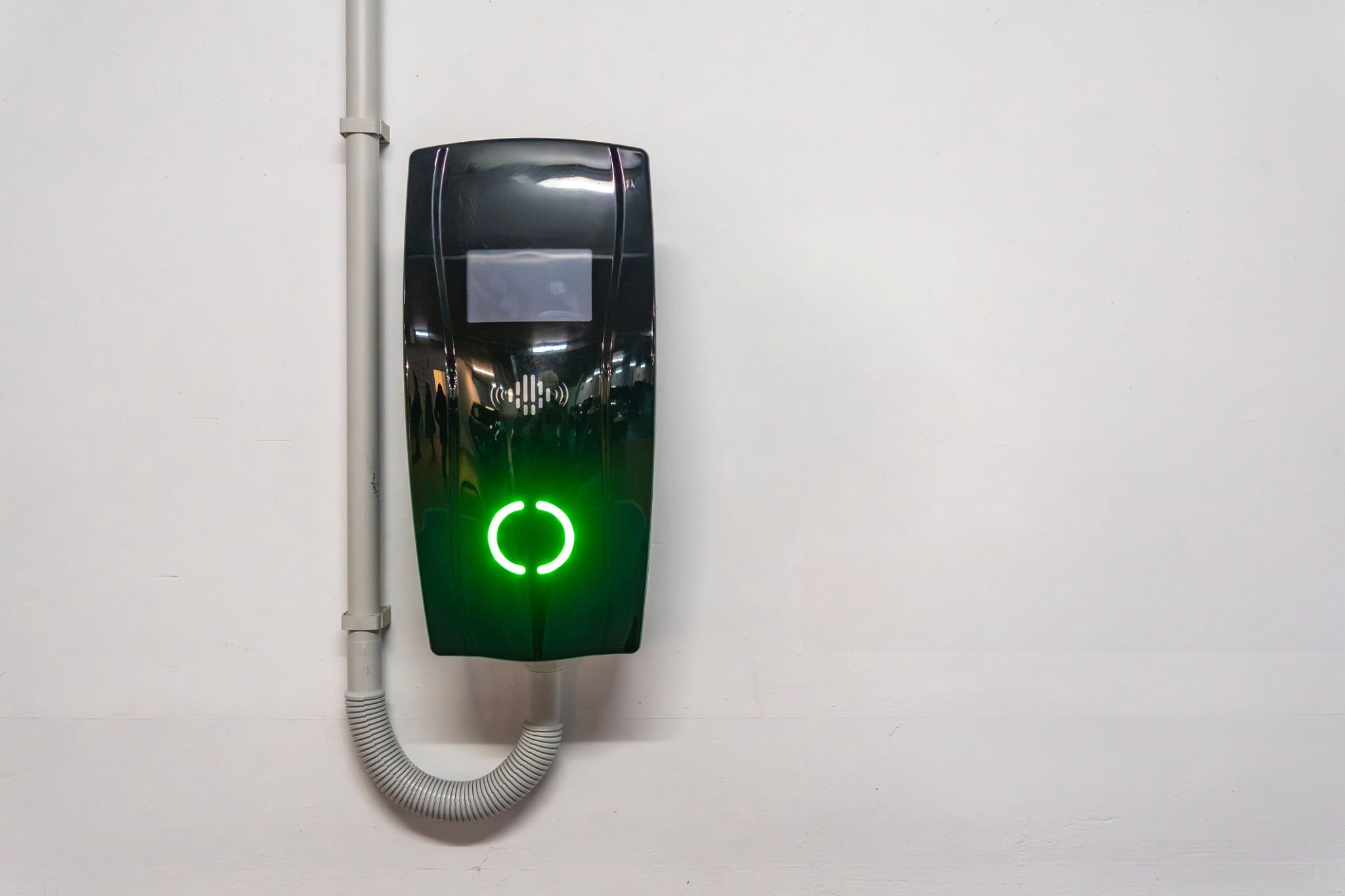
AC EV Box – Best for Daily Home & Office Charging
Best for: home garages, apartment buildings, hotel overnight parking, company lots.
Pros:
Easy wall-mount or pedestal installation
Lower cost, battery-friendly charging
Power: 7kW / 11kW / 22kW – fully charges overnight
Cons:
Slower (4–8 hours full charge)
Requires fixed parking and dedicated circuit
Bottom line: If you have a dedicated spot and don’t need ultra-fast charging, an AC EV Box is the most economical choice.
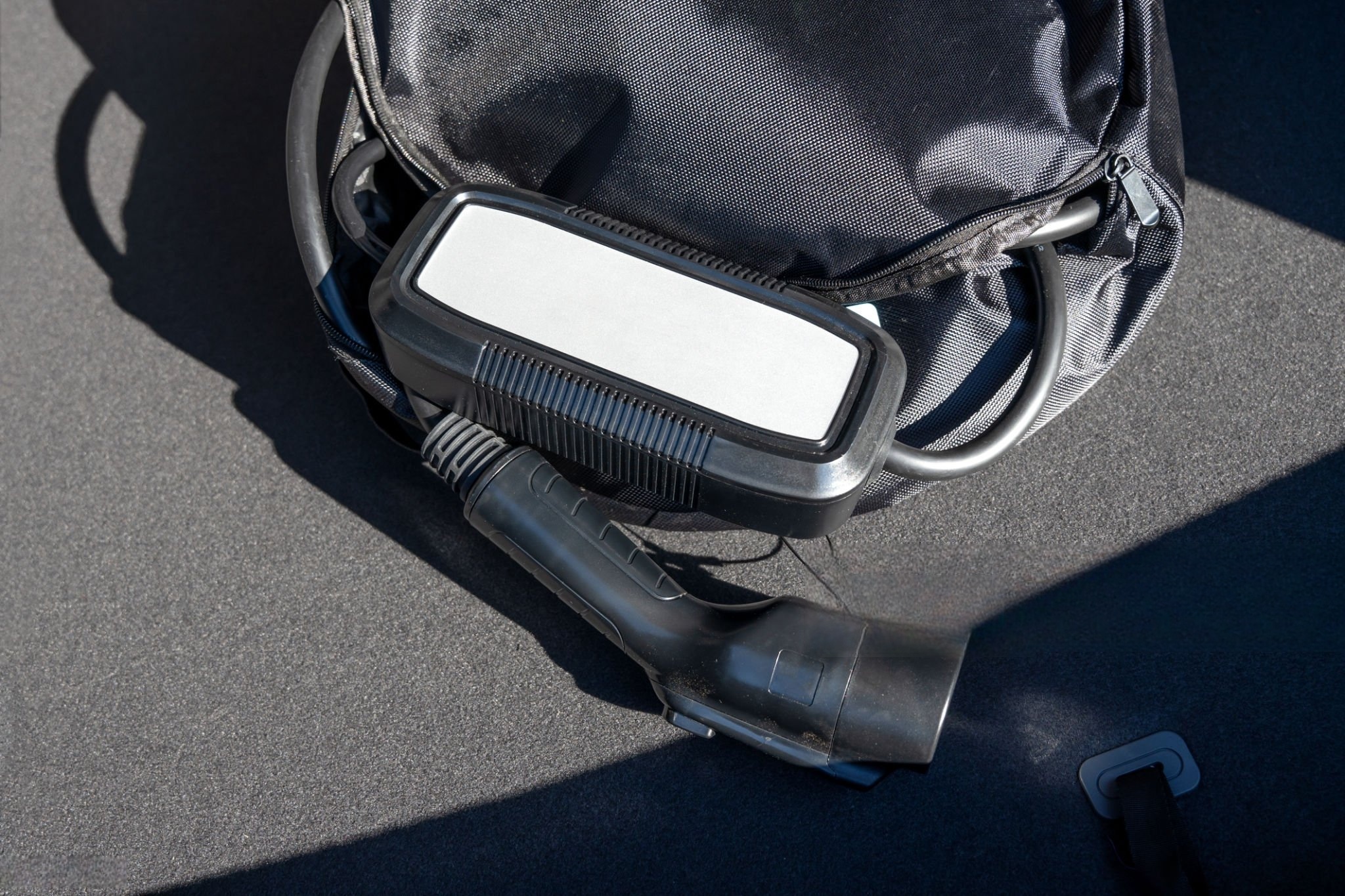
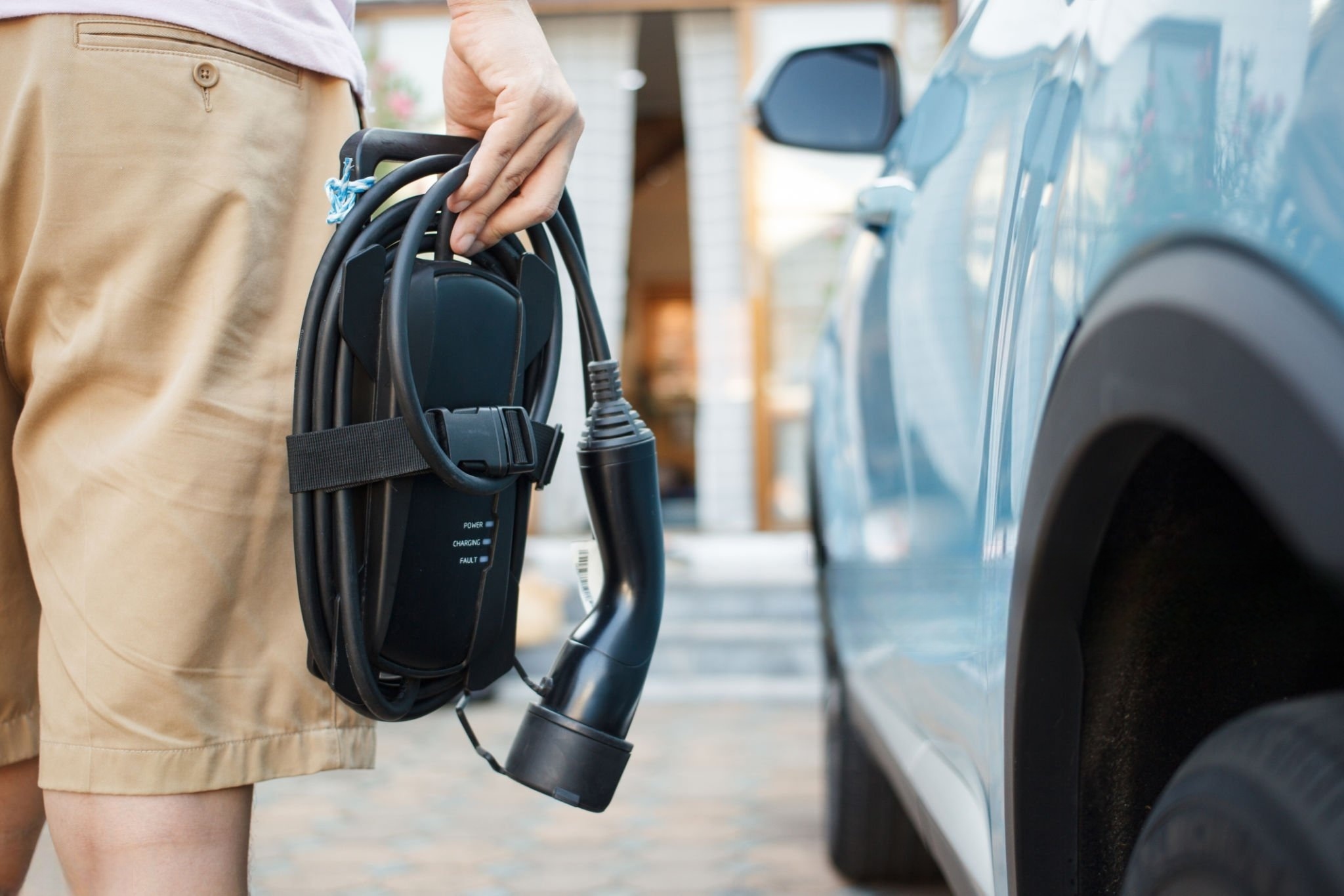
Portable EV Charger – Flexible Emergency & Travel Companion
Best for: road trips, drivers without fixed parking (renters, older buildings), backup for home or fast chargers.
Pros:
Compact, fits in your trunk
Plugs into standard household socket (10A/16A)
Lowest cost, no installation
Cons:
Slowest charging (1.5–3.5kW, 10–20 hours full)
Requires good socket quality and grounding
Usually no smart features (APP/billing)
Warning: Avoid cheap extension cords – risk of overheating or fire.
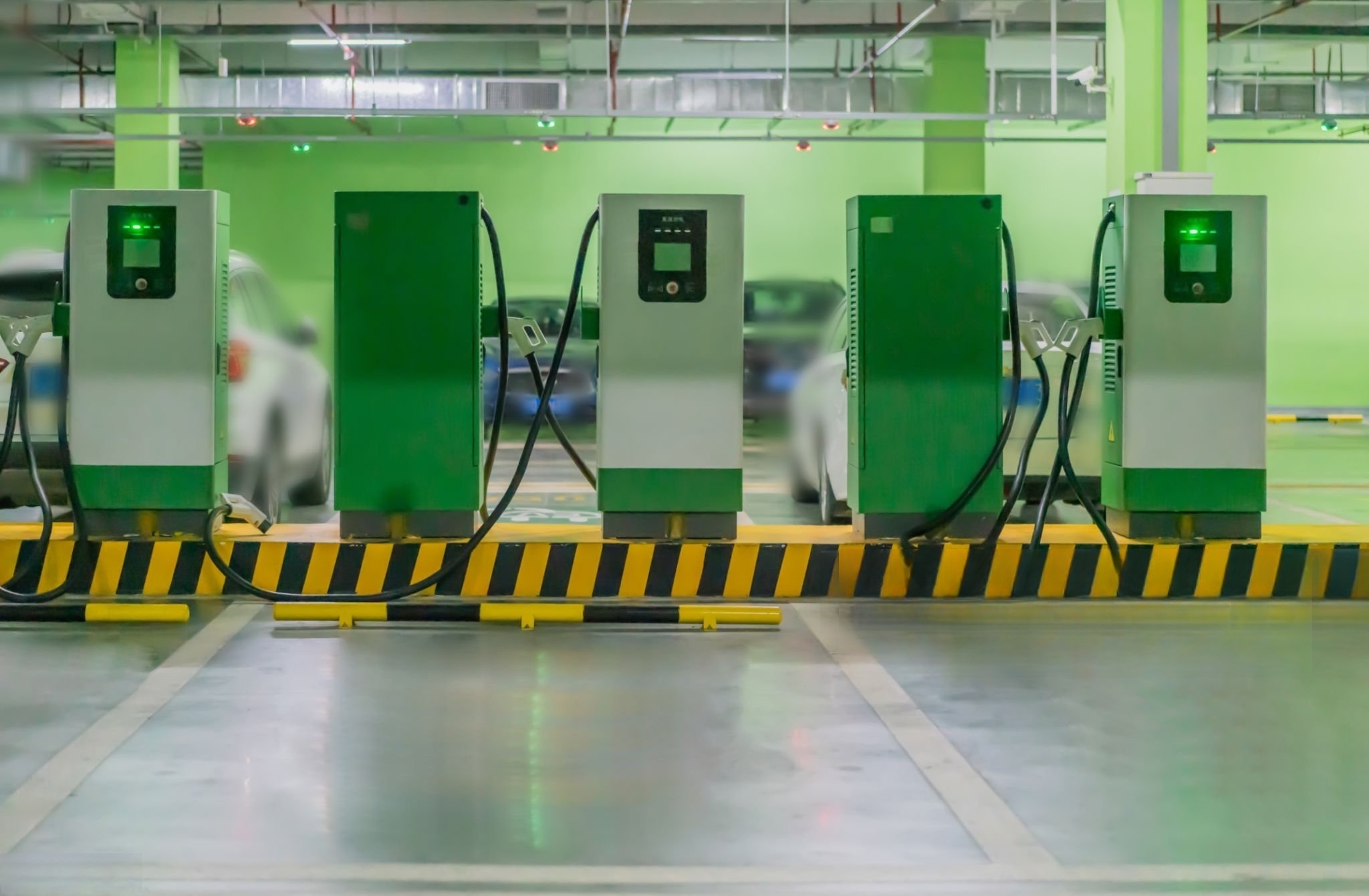
DC EV Charger Station – The Core of Commercial & Fast Charging
Best for: public charging stations, highway rest areas, taxi/logistics fleets, shopping malls, gas stations.

Pros:
Ultra-fast: 30 minutes to 80% SOC
Power: 30kW to 240kW+, dual-gun options
Smart management (OCPP, remote monitoring, billing)
Cons:
High equipment cost, professional installation (380V 3-phase + transformer often needed)
High grid demand
More complex maintenance than AC chargers
Bottom line: To serve many vehicles quickly or run a public charging business, a DC fast charger station is the only way.
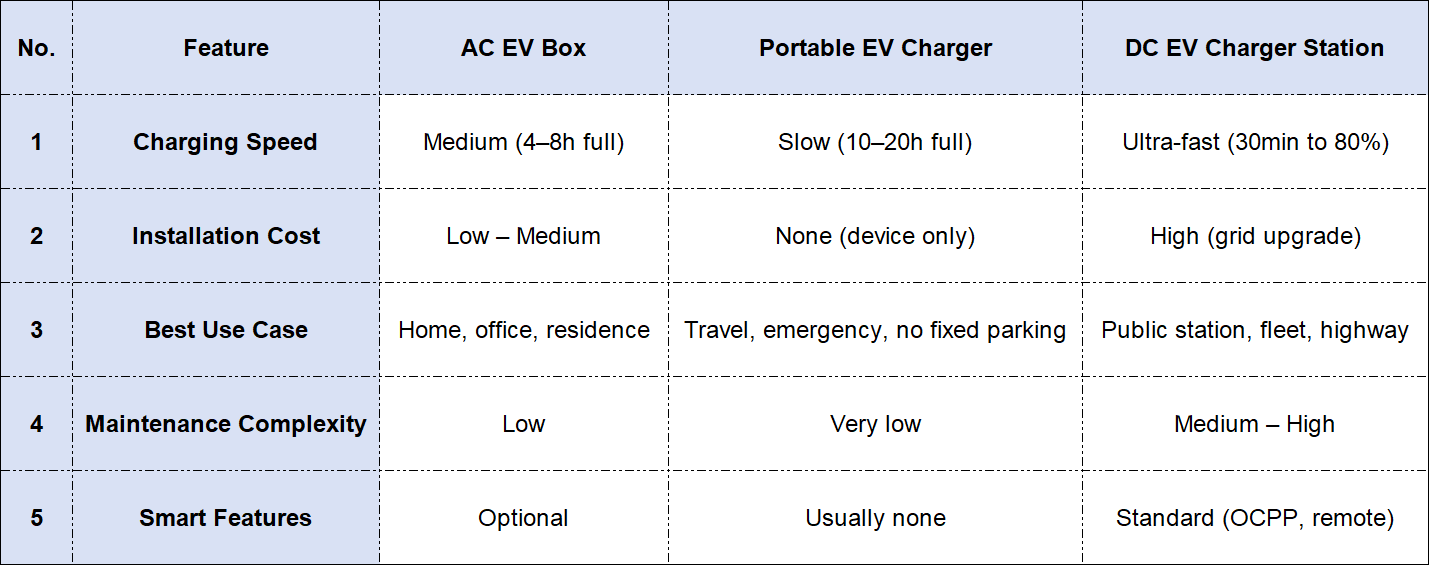
Comparison Table
Recommendations by User Type
Home Users
First choice: AC EV Box (7kW or 11kW)
Backup: Portable EV Charger for travel
Not recommended: DC station (too expensive, speed advantage wasted at home)

Commercial (hotels, malls, offices)
Recommended combo: AC wallboxes (22kW) as main + 1–2 DC fast chargers (60kW)
Why: Covers overnight guests with slow charging and offers fast charging for visitors in a hurry.
Fleet Operators (logistics, taxis, ride-hailing)
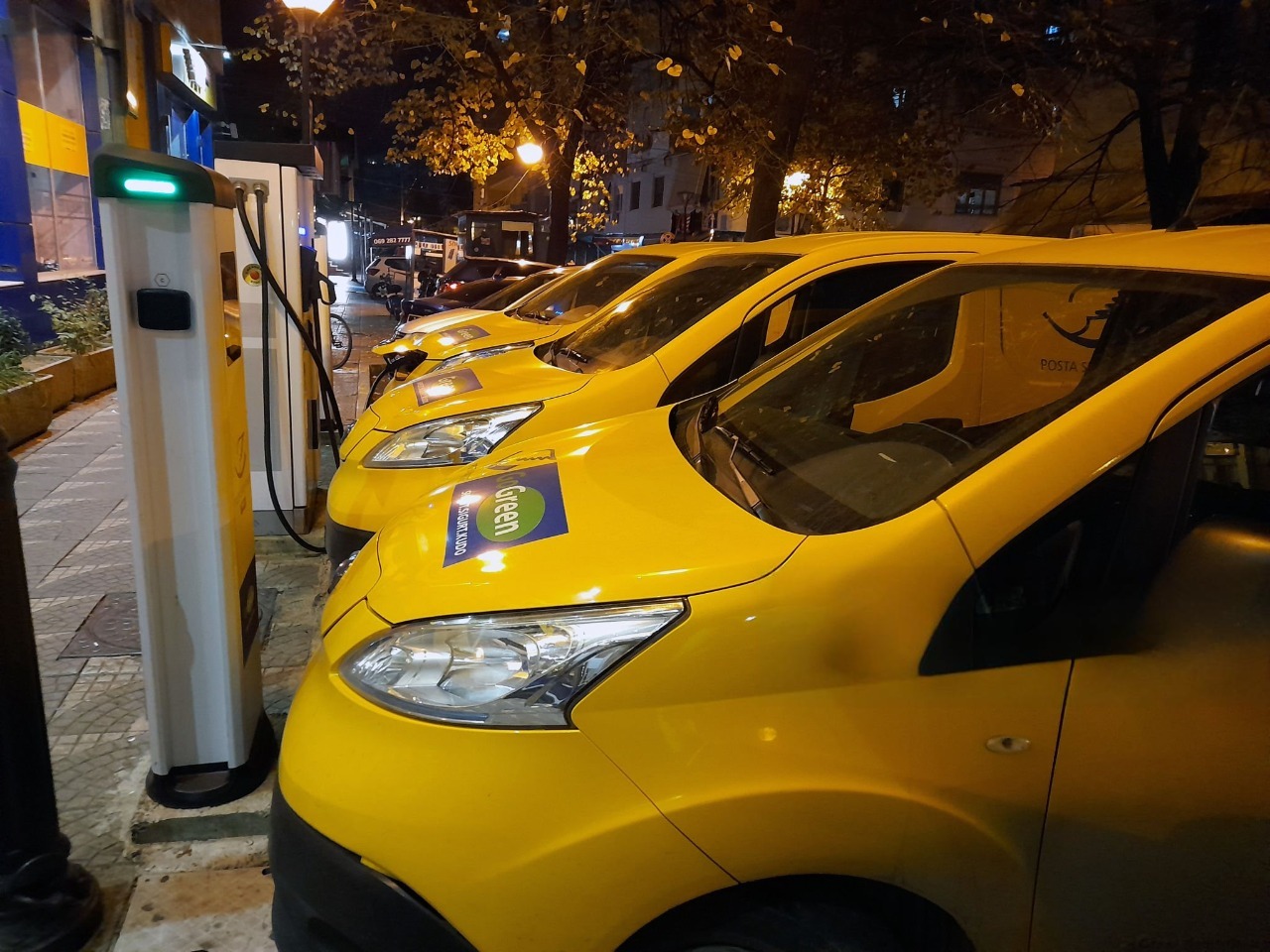
Recommended: Dual-gun DC fast charger (120–180kW) + smart scheduling system
Why: High utilization – fast charging dramatically improves vehicle turnover and lowers operating cost.
Frequent travelers or drivers without fixed parking
Recommended: Portable EV Charger (keep in car)
Extra tip: If possible, use an AC shared charger at your workplace or regular destinations.
Conclusion
Whether you are a private EV owner, a property manager, or a charging station operator, there is no single “best” charger – only the best one for your situation.
Our company offers a full range of EV charging equipment:
AC EV Box (7kW–22kW)
Portable EV Charger (1.8kW–3.5kW)
DC EV Charger Station (30kW–240kW)All products comply with international standards (IEC 61851, OCPP 1.6J) and support OEM/ODM customization.

Take action today to choose one of the following:
Download technical datasheets (full specs, certificates, mechanical drawings)
Book a free technical consultation (30 min chat to select the right charger for your project)Request a free site assessment (layout plan and power capacity estimate)